Maxton Plains Preserve
The Maxton Plains Preserve protects one of the largest and highest-quality alvars remaining in North America. Alvars are rare ecosystems — named from a Swedish word describing dry grasslands that form on flat limestone bedrock with little to no soil. When the last glacier receded from Drummond Island more than 10,000 years ago, it left behind vast limestone “pavements” that define this remarkable landscape.
The 1,185-acre preserve, protected by The Nature Conservancy, is considered one of the finest examples of alvar grassland in the world. Similar ecosystems exist only in parts of Scandinavia, Ireland, Estonia, and the Great Lakes region. Interpretive signs near the alvar explain its geology, history, and ecological significance.
Flora
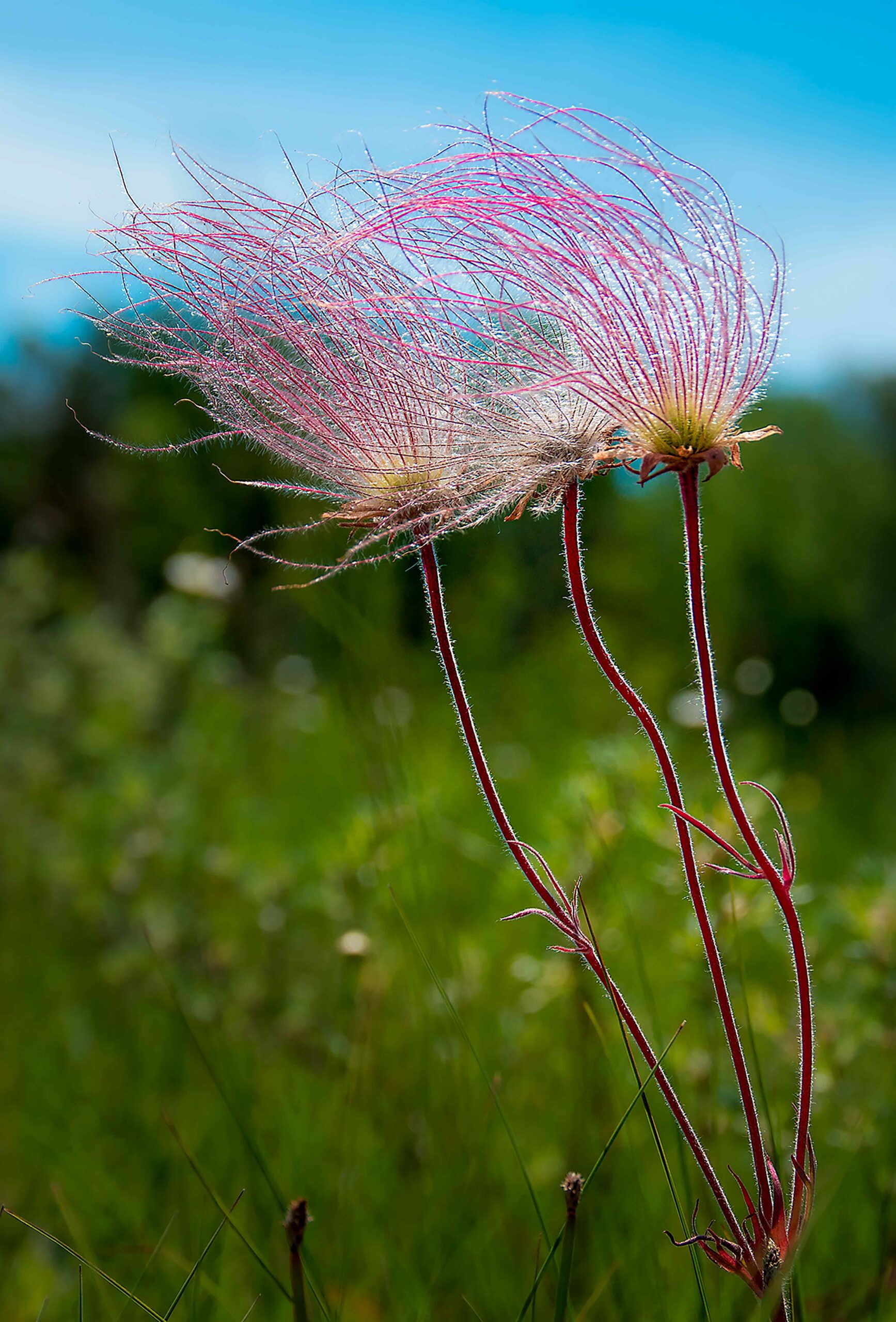
Because the soil layer is extremely thin, few trees can take root. In spring and early summer, the plains come alive with wildflowers — prairie smoke, red Indian paintbrush, and prairie dropseed among them. Plants native to Arctic tundra, Great Lakes shorelines, and Great Plains prairies grow side by side. The alvar is typically wet in spring and early summer, then dry by autumn.
Wildlife & Birding
Maxton Plains is one of the most visited stops on the North Huron Birding Trail. The open grassland attracts Sandhill Cranes, Upland Sandpipers, Bobolinks, Savannah Sparrows, and more. Eagles are commonly spotted overhead, deer along the forest edges, and occasionally bears or grouse. With wide-open views and minimal light pollution, the preserve is also a popular spot for stargazing.
Permitted Activities
- Hiking and snowshoeing
- Birding and nature observation
- Stargazing
- Educational studies
- Geocaching
- Whitetail deer hunting with a Conservancy-issued permit
Prohibited Activities
- Motorized or non-motorized vehicles
- Pets
- Hunting or trapping without a Conservancy-issued permit
- Removal of plants, animals, rocks, water, or other materials
- Camping, fires, fireworks, or bonfires